Mini Carrot: A Delightful Easter Embroidery Staple
First Impressions: Playful, Precise, and Perfectly Seasonal
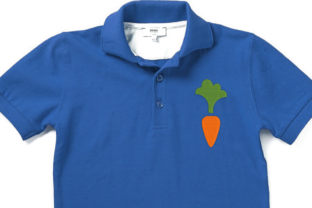
Opening the Mini Carrot Creative Fabrica embroidery file felt like unwrapping a tiny spring surprise—bright, cheerful, and unmistakably Easter. This isn’t a generic vegetable motif; it’s a mini-fill design with intentional charm: rounded shoulders, a fine wispy top, and just enough texture to suggest earthy realism without overwhelming delicacy. The emotional tone is warm and lighthearted—think farmhouse kitchen charm meets modern handmade gifting. It reads as playful and nostalgic at once, making it ideal for customers who love vintage Easter traditions but shop from curated Instagram feeds or Etsy collections.
Real-World Use Across Your Seasonal Product Line
As someone who builds full holiday product suites—not just single designs—I tested Mini Carrot across eight common small-shop applications. On organic cotton sweatshirts, it stitched cleanly at center chest or sleeve cuff, adding subtle seasonal flair without shouting. For tote bags and kitchen towels, its compact 4×4 hoop footprint meant I could pair it with coordinating eggs or bunnies—or let it shine solo on a minimalist linen towel. Pillow covers responded beautifully: the fill density held shape even after gentle laundering, and the carrot’s curved form translated well onto textured fabric.
Mini Carrot also performed exceptionally well as an embroidered patch—heat-applied or sewn on—and became a fast favorite for baby onesies and toddler aprons. Its scale avoids looking juvenile while still feeling sweet and age-appropriate. For craft fairs and Etsy listings, I used it in gift bundles: one carrot + one “Hop Into Spring” tea towel + a hand-poured soy candle. Customers consistently commented on how “cohesive” and “thoughtfully themed” the set felt—even though each item was individually embroidered.
Where Mini Carrot Shines—and Where to Proceed Thoughtfully
This design excels where precision and proportion matter: on structured items like pillow covers, patches, and flat-weave kitchen linens. Its separated color changes make thread swaps intuitive during long stitching runs—critical when producing multiples for holiday inventory. Because it’s a mini-fill, stitch density stays moderate, reducing puckering risk on lightweight knits and stabilizer-dependent fabrics like rayon blends.
That said, use caution with dense or highly textured substrates. Thick terry cloth towels may mute the carrot’s fine top detail unless paired with heavy cutaway stabilizer and reduced top tension. On dark fabric, test thread colors thoroughly—especially the orange fill—since some dye lots absorb light differently. Avoid pairing Mini Carrot with metallic threads unless you’ve run a sample first; its delicate stem area can snag or distort under heavier metallic weight. And while it fits neatly in a 4×4 hoop, don’t stretch it into larger hoops expecting proportional clarity—it’s designed for intimacy, not enlargement.
Smart Pairings for Maximum Holiday Appeal
- Sweatshirt embroidery: Center chest on oatmeal crewnecks for family matching sets
- Tote bag design: Paired with hand-lettered “Spring Market” script for farmer’s market vendors
- Kitchen towel embroidery: Top corner placement, offset with cross-stitch carrots for layered texture
- Pillow cover: Linen blend with mustard or sage thread for cohesive Easter table styling
- Embroidered patch: Iron-on backing for quick personalization of denim jackets or backpacks
Design Decisions That Build Customer Trust
Holiday shoppers don’t just buy embroidery—they buy intention. Mini Carrot supports that trust because it feels *designed*, not assembled. Its clean color breaks mean fewer mid-stitch errors during production runs. Its balanced proportions read clearly in digital mockups and printable promotional graphics—essential for social media previews and email campaigns. When customers see Mini Carrot on your Etsy listing, they immediately recognize it as part of a considered seasonal collection, not a last-minute add-on.
For brand consistency, I matched Mini Carrot’s palette to my existing Easter line: terracotta, olive green, cream, and soft mustard. That cohesion helped drive repeat engagement—shoppers who bought a carrot-embroidered tea towel often returned for matching oven mitts. And because the design avoids religious symbolism or overly commercial tropes, it appeals broadly: secular spring celebrations, Montessori classrooms, Waldorf-inspired nurseries, and eco-conscious gift shops all found relevance in its simplicity.
Practical Notes Every Embroidery Designer Should Confirm
Before adding Mini Carrot to your seasonal workflow, take these five minutes:
- Check the actual hoop size in your machine software—some versions auto-resize, which can blur fine details
- Test thread colors on both light and dark fabric swatches (especially the green top vs. orange body contrast)
- Review stitch density visually—if it looks too sparse or too heavy in your preview, adjust underlay or pull compensation
- Choose stabilizer based on fabric texture: tear-away for stable wovens, cutaway for knits, and fusible for lightweight linens
- Always verify Creative Fabrica’s licensing terms for commercial embroidery—this is essential before selling finished products
Finally, create realistic mockups—not just flat PNGs. I placed Mini Carrot on a folded linen pillow cover in a natural light photo, then added it to a printable “Easter Collection Lookbook” PDF. That visual storytelling converted far more browsing visitors into buyers than standalone product shots ever did.
Why Mini Carrot Belongs in Your Easter Inventory
In a sea of overdesigned holiday files, Mini Carrot stands out by doing less—more thoughtfully. It doesn’t try to be everything. It’s a focused, joyful, technically sound machine embroidery design built for real-world production and genuine customer connection. Whether you’re launching your first Etsy Easter collection or expanding a decade-old small shop, this Creative Fabrica embroidery file delivers consistent results, emotional resonance, and quiet versatility. It’s not just another carrot—it’s a reliable, giftable, seasonally intelligent piece of your handmade story.