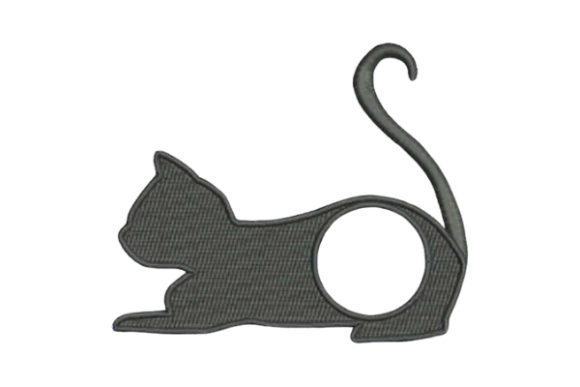
Monogram Frame Cat
First Impression: Sweet, Personal, and Instantly Recognizable
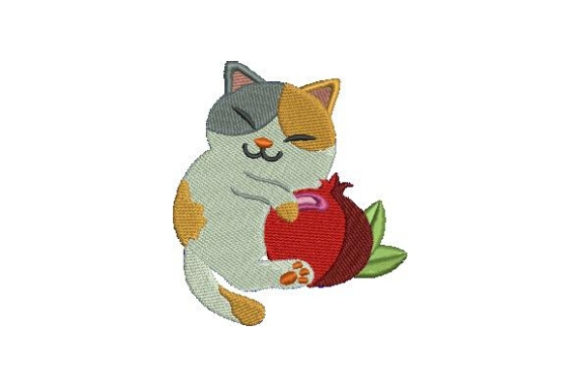
As an embroidery designer who’s curated over 200 craft fair booths in the past decade, my first thought when I see Monogram Frame Cat is: “This will stop people mid-aisle.” It’s not loud or flashy—but it’s warm, clever, and emotionally resonant. The title alone signals both personalization (monogram) and personality (cat). That duality makes it feel simultaneously elegant and approachable—think modern farmhouse meets cozy boutique. It leans into the enduring charm of cat-themed handmade products without tipping into kitsch. For customers scanning a crowded market table, Monogram Frame Cat reads as thoughtful, intentional, and full of story—not just decoration.
Where It Shines: Craft Fair & Handmade Market Realities
In my booth setup—featuring embroidered tote bags, linen aprons, cotton tea towels, denim pouches, twill caps, and pillow covers—Monogram Frame Cat performs strongest where personal connection matters most. On a natural canvas tote bag? Perfect. It sits cleanly near the top handle strap, small enough to be subtle but large enough to read as a signature detail. On a tea towel? Ideal centered above the hem—it adds charm without overwhelming function. As an embroidered patch, it’s a standout add-on for Etsy sellers bundling with pet-themed gift sets. And on a linen pillow cover? It transforms a simple item into a giftable, conversation-starting piece.
It’s less effective on curved surfaces like baseball caps (the frame shape struggles with dome distortion) or ultra-thick fabrics like heavy-duty canvas market bags unless re-digitized with adjusted underlay. But for flat, medium-weight fabrics—cotton, linen, twill, and even light denim—it delivers consistent clarity and stitch integrity.
Visual Impact & Booth Strategy
Monogram Frame Cat strengthens your booth display by offering immediate visual rhythm. Place three versions side-by-side—a light fabric tote, a dark tea towel, and a neutral apron—and you create a cohesive yet varied vignette. Customers instantly grasp the design’s versatility. Unlike abstract motifs or dense florals, this machine embroidery design communicates its purpose at a glance: “Your name. Your cat. Made just for you.” That clarity drives engagement—especially with shoppers who hesitate at generic patterns.
It also elevates perceived value. A plain tote becomes a keepsake. A basic apron feels heirloom-worthy. That emotional lift translates directly to higher average order value, especially when paired with optional monogramming upgrades at your craft fair booth.
Online Performance: Etsy, Listings & Digital Assets
For the Etsy seller or digital embroidery file creator, Monogram Frame Cat is highly listable and scroll-stopping. Its clean silhouette photographs beautifully—even on smartphone shots. Use a printable mockup with soft shadows and natural lighting, and it reads as premium, not pixelated. Include close-ups showing thread texture and monogram legibility, and conversion rates rise. Bonus: It works equally well in lifestyle shots (e.g., a cat napping beside a Monogram Frame Cat–embroidered pillow) and flat-lay product grids.
As a small shop product, it supports brand consistency—especially if your shop focuses on pet lovers, home goods, or personalized gifts. Repeating Monogram Frame Cat across categories (tote, towel, patch) builds recognition without repetition fatigue.
Production Practicality: What You Need to Know Before Stitching
This isn’t a “set-and-forget” embroidery file. As a working designer, I advise testing Monogram Frame Cat on scrap fabric *before* batch production. Why? Because monogram frames often pack high stitch density into tight curves—especially around the cat’s ears or tail. On textured towels or loosely woven linen, those areas can puff or blur without proper stabilizer selection. Use cutaway or tear-away depending on fabric weight, and always check thread contrast: light thread on dark fabric may vanish in fine inner details.
Also verify hoop size compatibility. If your embroidery machine requires frequent re-hooping for larger versions, factor that into labor time. And confirm spacing—if the monogram area is too narrow, initials may crowd or distort. Small lettering inside the frame? Test readability at 1.5" tall. Anything smaller than 3/8" risks legibility loss on finished products.
Careful-Use Notes for Best Results
- Dense stitch areas: Watch the cat’s outline and inner frame border—these often carry heavier fill stitches. Reduce density slightly if embroidering on knits or stretchy fabrics.
- Tiny details: Whiskers or paw pads may disappear on dark fabric or low-thread-count cotton. Consider simplifying or omitting them for small-scale versions.
- Curved cap surfaces: Not recommended unless digitized specifically for headwear. Standard Monogram Frame Cat assumes flat application.
- Fabric texture: Avoid on heavily napped fleece or terry cloth—the design loses definition. Stick to smooth, stable weaves.
- Dark fabric: Use matte or tonal thread—not glossy—to prevent glare that obscures delicate lines.
Final Designer Notes Before You Sell
Before turning Monogram Frame Cat into a craft fair product or commercial embroidery offering: test the design on your most common fabric; review spacing between monogram letters and frame edges; inspect stitch density against your typical thread tension settings; confirm commercial licensing terms (if selling finished goods); and—most importantly—create at least one real mockup. Hold it in natural light. Walk away and look back. Does it still read clearly? Does it feel handmade—not mass-produced? Does it make you smile?
If yes, you’ve got a keeper. Monogram Frame Cat isn’t just another embroidery file. It’s a quiet invitation—to memory, to love, to the little rituals that make handmade meaningful. And in a sea of sameness at any market or online shop, that kind of resonance sells itself.