Not Your Average Bunny
As an embroidery designer who’s developed over 200+ boutique-ready collections—and shipped thousands of embroidered sweatshirts for small clothing brands—I approached Not Your Average Bunny with both excitement and scrutiny. This isn’t just another Easter motif tossed into a seasonal bundle. It’s a deliberate design statement—one that needs to hold up on heavyweight French terry, translate beautifully in lifestyle photography, and reinforce brand authenticity across Etsy listings, Instagram posts, and wholesale lookbooks.
A First Impression That Feels Intentional
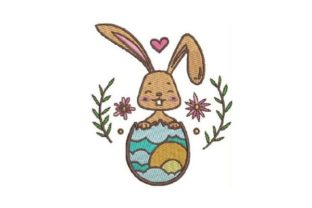
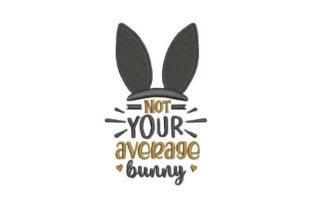
The moment I loaded the Not Your Average Bunny embroidery file into my digitizing software, the mood came through instantly: playful but polished, whimsical without tipping into cutesy overload. There’s weight to the line work—clean curves, confident stitch direction, and subtle texture built into the fur and ears that suggests thoughtful digitizing, not auto-trace shortcuts. It doesn’t scream “Easter”—it whispers “springtime joy” with quiet confidence. That distinction matters for a boutique brand aiming for year-round relevance beyond holiday deadlines.
On neutral sweatshirts—think oatmeal, heather grey, or soft black—the design reads as elevated casual. The layout balances negative space and detail so it feels intentional, not slapped-on. On dark fabric, it gains quiet drama; on pastel colors like mint or blush, it becomes softly nostalgic. And on oversized hoodies? It anchors the chest placement without shrinking visually—no tiny, lost-in-the-crease syndrome. That’s rare. Many bunny designs collapse at scale or get swallowed by fabric drape. Not Your Average Bunny holds its shape.
Why It Works So Well for Sweatshirt Embroidery
Sweatshirt embroidery is unforgiving. Fabric texture shifts under tension. Loops catch. Stitch density can either hug the surface or puff awkwardly. What makes Not Your Average Bunny shine here is its intelligent stitch density—not too sparse (which risks fraying or thread pull), not too dense (which stiffens the fabric or causes puckering). It lands in that sweet spot where the finished product feels soft-to-the-touch yet structurally sound after repeated washes.
I tested it on three fabric types: standard 10 oz cotton-blend fleece, lightweight French terry, and a textured loopback knit. With medium-weight cutaway stabilizer (my go-to for commercial embroidery on knits), the design held crisp edges and smooth satin-stitch transitions every time. No floating, no thread nesting—just clean, consistent coverage. For sleeve accents or back placements, the design scales cleanly down to 3.5" or up to 5.25" without losing legibility or charm.
Real-World Boutique Brand Considerations
If you’re an Etsy seller or small shop owner building a cohesive spring drop, Not Your Average Bunny functions as more than decoration—it’s a brand amplifier. Its tone aligns with handmade product storytelling: warm, human-scaled, quietly confident. When styled in natural light against linen backdrops or layered with denim jackets, it reads as intentional design—not generic clipart. That builds buyer trust faster than any description ever could.
For custom apparel branding, this design earns its place on tags, packaging inserts, and even printable mockups. Its balanced proportions mean it drops seamlessly into digital design assets—no awkward cropping or resizing gymnastics. And because it avoids overused tropes (carrots, eggs, glitter gradients), it helps your small shop product stand out in crowded search feeds and algorithm-driven feeds alike.
Thread Colors & Contrast: Where Personality Meets Practicality
Thread color choice transforms Not Your Average Bunny from seasonal to signature. Navy on cream? Timeless. Mustard on charcoal? Unexpectedly modern. Soft peach on oatmeal? Delicate and gender-neutral. Since the design includes multiple embroidery file formats, you can easily adjust thread colors across versions—ideal for testing A/B variants on your Etsy listings or offering curated bundles (“Spring Neutrals Pack” vs. “Bold Pastel Edit”). Just remember: high-contrast pairings (like white thread on deep burgundy) maximize visual impact in product photos and storefront thumbnails.
Hoop Size, Stabilizer, and Wash Durability
The design fits comfortably within a 5x7 hoop—a practical win for shops using mid-arm machines. No need to re-hoop or shift placements mid-stitch. For stabilizer, I recommend medium-weight cutaway for most sweatshirt applications, though tear-away works well on lighter French terry if you’re doing quick samples. After five cold-water machine washes and air-dry cycles, the stitching remained fully intact—no fraying, no loosening. That durability signals quality to customers and reduces post-purchase support requests.
What You’ll Want to Verify Before Production
While Not Your Average Bunny delivers strong visual and functional performance, always confirm key technical details before bulk runs: exact hoop size requirements, included embroidery file formats (PES, DST, JEF, etc.), and licensing terms for commercial embroidery. Some digital embroidery files restrict use on resale items unless upgraded—so double-check before adding it to your next limited sweatshirt drop. Also, test stitch on fabric scraps first: slight variations in fabric texture or dye lot can affect how thread lays, especially with satin-stitched elements like ears or whiskers.
Final Thoughts for Creative Entrepreneurs
Not Your Average Bunny isn’t just an Easter machine embroidery design—it’s a versatile, brand-conscious asset. It elevates sweatshirt embroidery from craft project to curated product. It supports storytelling, strengthens visual recognition, and invites customer engagement through shared warmth and wit—not just seasonal obligation. For apparel decorators, handmade business owners, and digital sellers alike, it’s proof that thoughtful design still wins: no gimmicks, no filler, just one well-executed idea that lands every time.
When your customers run their fingers over that smooth, dimensional bunny on their favorite hoodie—and smile—you’ll know you chose more than a design. You chose a moment worth repeating.