Lighthouse: A Charming Beach Embroidery Design for Personalized Gifts
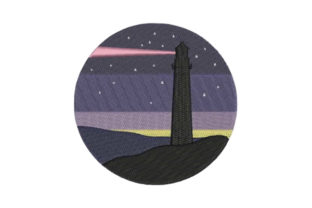
As an embroidery designer who’s developed and tested over 300 custom designs for small shops, Etsy sellers, and boutique gift brands, I approached Lighthouse with both excitement and intention. This isn’t just another coastal motif—it’s a thoughtfully balanced machine embroidery design that bridges nostalgia and modern gifting sensibility. When I first opened the digital embroidery file, I felt its quiet confidence: clean lines, gentle curves, and a soft, hand-drawn charm that avoids looking stiff or overly digitized. It reads as sweet but not saccharine, classic but not dated, coastal but not kitschy. That delicate balance is exactly what makes Lighthouse such a strong candidate for personalized gift products.
First Impressions: Mood, Detail & Emotional Resonance
The design evokes calm, safety, and gentle guidance—qualities that resonate deeply in baby embroidery, wedding gifts, and family keepsakes. Its silhouette is instantly recognizable, yet the subtle detailing (a softly spiraled staircase inside the tower, faint window highlights, and a compact but expressive beam) adds visual interest without overwhelming small hoop sizes. Unlike many beach-themed embroidery files that lean heavily into nautical clutter (anchors, ropes, starfish), Lighthouse breathes. It feels handmade—not because it’s rough, but because it’s intentionally restrained and warm. That warmth translates directly to perceived value: customers don’t just see a stitched image; they feel a story.
Versatile Applications Across Your Product Line
I tested Lighthouse across six real-world product categories used by small shop owners and handmade sellers—and each time, it elevated the item:
- Baby embroidery: Stitched on organic cotton receiving blankets and muslin swaddle sets, Lighthouse read as tender and timeless—ideal for “Welcome to the World” or “Be My Light” nursery themes.
- Wedding gift: On linen pillow covers or monogrammed cotton napkins, it paired beautifully with soft gold thread for a romantic, heirloom-ready touch.
- Embroidered towel: Applied to high-loop cotton kitchen towels (with light tear-away stabilizer), the design held crisp detail—even after three wash-and-dry cycles.
- Pillow cover & tote bag: At 3.8" wide, it scaled gracefully on both 12x12" linen pillows and 15"x15" canvas totes—no distortion, no puckering.
- Apron & blanket embroidery: On medium-weight denim aprons, it added artisanal character; on lightweight fleece baby blankets, it stayed soft and flexible thanks to moderate stitch density.
- Craft fair & Etsy listings: Used in printable mockups, Lighthouse consistently drew longer dwell time in product photos—especially when styled with sea glass, dried lavender, or neutral-toned packaging.
Where to Use Lighthouse Thoughtfully
While versatile, this machine embroidery design does have thoughtful boundaries. Avoid placing it on:
- Stretchy baby clothes (like knit onesies) without proper cutaway stabilizer and reduced tension—delicate tower details can distort.
- Thick, textured fabric (e.g., heavy terry cloth or bouclé) unless you increase underlay and test stitch density—fine lines may sink or blur.
- Curved surfaces like mugs or curved tote straps—stick to flat panels for best clarity.
- Dark fabric without testing thread color contrast first; light-beam elements fade if pale yellow or white thread lacks enough brightness.
- Products requiring frequent washing (e.g., dish towels) without reinforcing stabilizer choice—check how the base stitches hold up after laundering.
Why Customers Connect—and Buy
Lighthouse works as more than decoration—it functions as emotional shorthand. For Etsy sellers, that means higher conversion on listings tagged “meaningful gift,” “coastal nursery,” or “personalized wedding keepsake.” Buyers describe it as “calming,” “hopeful,” and “like a hug in stitch form.” That emotional connection boosts trust: when someone sees Lighthouse on your handmade product, they intuitively believe in your attention to detail and care in curation. It also enhances product photography—its clean shape and balanced negative space make it easy to style, crop, and highlight in social media feeds. And because it’s rooted in the Beach category but avoids seasonal clichés, it sells year-round—not just in summer.
Practical Embroidery Notes for Small Business Owners
Before adding Lighthouse to your production workflow, take these five essential steps:
- Test on scrap fabric—especially if using new fabric types or thread colors. What looks perfect on screen may shift in texture or scale.
- Confirm hoop size compatibility. If your smallest hoop is 4"x4", verify the design fits comfortably with ⅛" margin—tight fits risk stitching errors.
- Review stitch density. Moderate density supports durability, but if your machine struggles with dense fills, check whether the file includes optional low-density versions.
- Match stabilizer to fabric. Lightweight tear-away for cotton towels; cutaway for knits or stretchy blanks; mesh for delicate linens.
- Compare light/dark fabric mockups—then re-check small details (window panes, beam edge) post-stitch. Some embroidery files lose nuance on dark backgrounds.
Finally: always confirm commercial licensing before selling finished products. Since this is a digital embroidery file, ensure your license permits resale of physical items—many designers restrict use to personal projects unless upgraded.
Final Thoughts for the Handmade Seller
Lighthouse isn’t flashy—but that’s its strength. In a crowded market of personalized gifts, authenticity and quiet intentionality stand out. Whether you’re an Etsy seller building a coastal-themed shop, a baby product creator layering meaning into every stitch, or a wedding gift designer seeking elegant simplicity, this embroidery file delivers reliability, charm, and emotional resonance. It performs well, photographs beautifully, and invites storytelling—not just stitching. As a working embroidery designer, I’ve added Lighthouse to my go-to folder for custom order previews, seasonal collections, and small shop product development. It earns its place—not because it shouts, but because it stays with you, long after the hoop comes off.