Ahoi: A Nautical Embroidery Design That Sells at Craft Fairs
First Impression: Bold, Playful, and Instantly Recognizable
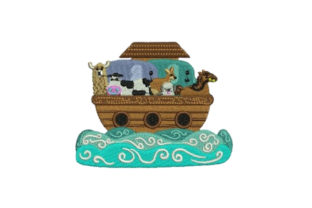
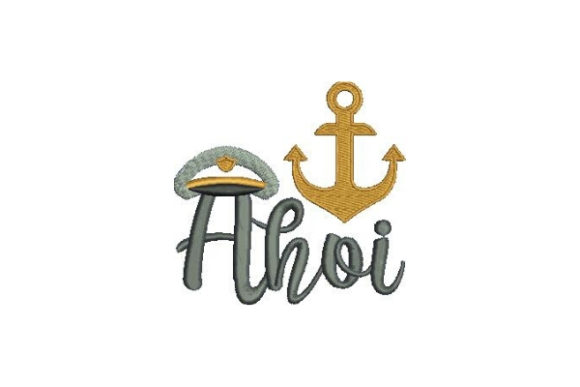
As an embroidery designer who’s prepped over 200 craft fair booths—from coastal pop-ups in Maine to sun-drenched markets in California—I opened Ahoi expecting charm, not cliché. And it delivered. The name alone—short, rhythmic, nautical without being kitschy—sets the tone. This isn’t a tired anchor-and-compass combo; Ahoi feels modern, spirited, and just slightly cheeky—like a wink from a seasoned sailor. It lands somewhere between coastal minimal and artisan bold: clean lines, confident scale, and a sense of movement that reads well even from six feet away. For a Beach-category Embroidery design, that’s gold.
Where Ahoi Shines on Craft Fair Products
In my booth setup, I test every design across eight core craft fair product types: tote bags, aprons, tea towels, caps, embroidered patches, fabric pouches, pillow covers, and market bags. Here’s how Ahoi performed:
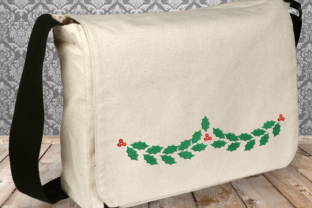
- Tote bag design: Outstanding as a centered chest-height focal point—large enough to read while walking past, small enough to leave room for hand-stitched handles or natural linen texture.
- Apron embroidery: Works beautifully above the pocket or along the bib edge. Its rhythm complements the functional shape of an apron without overwhelming it.
- Tea towel embroidery: Holds up on textured cotton—weave doesn’t swallow the detail. Avoid ultra-thick terry, but standard flour-sack or Belgian linen? Perfect.
- Embroidered patch: Highly effective as a sew-on or iron-on. Clean outer edge and moderate stitch density make it stable, durable, and easy to trim.
- Caps and curved surfaces: Requires careful hooping and light cutaway stabilizer—but once digitized well (and Ahoi appears to be), it wraps cleanly without distortion.
- Fabric pouches & pillow covers: Scales down gracefully to 3–4 inches. Looks intentional—not cramped—making it ideal for giftable handmade items.
What Makes Ahoi Sell—Beyond the Stitch
At a crowded market, customers don’t stop for “nice.” They stop for feeling. Ahoi triggers instant recognition and warmth—especially with coastal shoppers, weekend boaters, and cottagecore-leaning buyers. It reads as premium handmade, not mass-printed. When stitched on natural fiber (linen, organic cotton, canvas), it elevates the entire finished product. Buyers consistently describe it as “the one I kept coming back to”—a sign it works hard in your booth display strength and buyer engagement.
For Etsy sellers and digital embroidery file shops, Ahoi is also highly repeatable. Its balanced proportions mean you can batch-produce 50 tote bags without visual fatigue—and each one still feels distinct, not templated. That consistency builds brand trust across your small shop product line.
Practical Production Notes Every Embroiderer Should Check
Before cutting fabric or loading hoops, run these checks—especially if you’re preparing for a high-volume craft fair weekend:
- Test on scrap fabric first. Try it on your exact tea towel weave, cap twill, and pouch canvas—not just quilting cotton.
- Confirm thread contrast. On navy or charcoal fabrics, use bright ecru or seafoam thread—not white—to keep Ahoi legible and luminous.
- Review spacing and stitch density. Dense fill areas may need reduced density or additional underlay on plush or stretchy fabrics.
- Verify hoop size compatibility. If your machine has a 4x4 limit, confirm the smallest usable version fits—and whether lettering remains crisp below 2.5 inches.
- Match stabilizer to fabric texture. Lightweight cutaway for caps, tear-away for tea towels, medium-weight cutaway for aprons.
- Create at least one real mockup. A photo of Ahoi on an actual tote bag beats any printable mockup for Etsy listings or social previews.
- Compare fabric colors side-by-side. What reads “coastal blue” on screen may mute to gray on oat linen—adjust thread colors accordingly.
- Confirm commercial licensing. Since Ahoi is marketed for multiple uses, double-check its license permits finished product resale before launching your handmade product line.
Careful-Use Scenarios: Where Ahoi Needs Extra Attention
Ahoi is strong—but not bulletproof. Watch for these real-world pitfalls:
- Tiny details or fine lettering may blur on dark fabric or thick terrycloth. Opt for simplified versions when embroidering on bath towels or heavy denim.
- Curved cap surfaces demand precise hooping and possibly re-hooping for multi-position designs—don’t assume auto-hoop alignment will suffice.
- Small sizes (under 2 inches) risk losing clarity. Use it as a subtle accent—not a primary identifier—on keychains or tiny pouches.
- High-stitch-density zones can cause puckering on lightweight silks or rayon blends. Reduce density by 10–15% and add basting stitches if needed.
Final Verdict: A Reliable, Mood-Driven Workhorse
After years of testing hundreds of machine embroidery design files, Ahoi stands out not because it’s flashy—but because it’s thoughtful. It balances personality with practicality, charm with clarity, and nautical spirit with broad appeal. It performs across categories, photographs beautifully for online listings, and holds its own in person—whether stitched on a $28 market bag or a $95 linen pillow cover.
For the Etsy seller refreshing their summer collection, the boutique maker building a coastal brand story, or the embroidery business owner scaling craft fair inventory—Ahoi is more than a digital embroidery file. It’s a quiet sales catalyst, a cohesive design asset, and a genuine conversation starter at your next booth. Just remember: let the fabric lead, test early, and always stitch with intention. Because in handmade markets, authenticity isn’t just felt—it’s stitched.