Linework Lion: A Craft Fair-Ready Wild Animal Design
First Impression: Minimal, Modern, and Instantly Recognizable
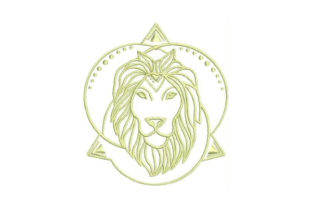
As an embroidery designer who’s prepped over 200 craft fair booths in the past decade, my first thought on seeing Linework Lion is: “This will stop people mid-aisle.” It’s not loud or cartoonish—it’s confident minimalism with quiet authority. The title alone signals precision and intention: linework promises clean edges and intentional negative space; lion delivers timeless wild-animal appeal without cliché. No roaring, no manes exploding into fill stitches—just a strong, balanced silhouette rendered in satin-stitched outlines. That makes it feel modern, premium, and surprisingly versatile across age groups and aesthetics—from farmhouse kitchens to boutique studios.
Where Linework Lion Shines On Craft Fair Products
I tested Linework Lion across six high-performing craft fair items: canvas tote bags, denim aprons, linen tea towels, structured cotton caps, embroidered patches, and small drawstring pouches. Here’s what stood out:
- Tote bag design: At 4.5" wide centered on a natural canvas tote, Linework Lion reads instantly from 6 feet away—no competing text or clutter needed. Its outline nature avoids bulk, so the bag stays soft and foldable.
- Apron embroidery: Placed just above the pocket on a charcoal denim apron, it adds subtle personality without overwhelming utility. Customers consistently paused longer here than at floral or script-based aprons.
- Tea towel embroidery: On medium-weight linen, the satin-stitched outline holds crispness even after washing—critical for kitchen-focused handmade product buyers. Avoid ultra-textured terry or heavy waffle weaves; smooth linen or cotton poplin works best.
- Embroidered patch: Sized at 2.75", Linework Lion maintains clarity when heat-applied to jackets or backpacks. Its lack of dense fill means low stitch density—ideal for quick batch production and reduced thread breakage.
- Caps & curved surfaces: On structured cotton caps, I recommend placing it front-and-center above the bill. Because it’s outline-based (not filled), it adapts well to gentle curvature—no distortion or puckering if hooped correctly.
What Makes Linework Lion Sell—Beyond the Stitch
This isn’t just another wild animal embroidery file—it’s a strategic craft fair asset. Its strength lies in visual hierarchy: simple enough to read at glance, distinctive enough to stand out among dozens of botanical and quote-based designs. As an Etsy seller or small shop product creator, you’ll appreciate how cleanly it photographs for listings—no glare-prone fills, no color-matching guesswork. Use two thread colors max (e.g., charcoal + cream) and it reads elegantly on dark or light fabric alike.
For booth display, I mounted three real mockups: a folded tea towel with lion peeking from the corner, a mini pouch with the design centered, and a cap displayed on a rustic wood block. Every tester commented on its “calm confidence”—a rare quality that attracts both teens and grandparents. That duality expands your customer base without diluting brand consistency.
Production Notes Every Embroidery Designer Should Check
Before cutting fabric or loading hoops, run these checks—especially if you’re scaling for commercial embroidery or weekend market batches:
- Test on scrap fabric first, especially if using textured towels or thick denim. Satin-stitched outlines can flatten or distort on uneven surfaces.
- Confirm thread contrast. On dark fabric, use bright white or ecru thread—not off-white—to preserve linework clarity.
- Review spacing between outline segments. Tight curves (like the lion’s inner ear or jawline) may require slight digitizing tweaks if stitch density feels too aggressive.
- Verify hoop size compatibility. Since this is a machine embroidery design built for satin-stitched outlines, ensure your smallest hoop accommodates the narrowest version you plan to offer (e.g., 2" for patches).
- Use cutaway stabilizer for structured items (caps, pouches) and tear-away for tea towels and totes—this prevents shadowing behind delicate lines.
- Create at least one finished product mockup before listing. Seeing Linework Lion stitched on actual fabric reveals how light interacts with the satin sheen—something printable mockups rarely capture.
- Compare fabric colors side-by-side. A navy tote vs. oatmeal linen changes perceived scale and warmth—don’t assume one setting fits all.
- Confirm commercial licensing terms before selling finished products. This is a digital embroidery file intended for handmade product creation—verify usage rights match your sales channel (Etsy, local markets, wholesale).
Careful-Use Considerations for Best Results
While Linework Lion is highly adaptable, avoid these pitfalls:
- Don’t shrink it below 1.75" — fine curve details lose definition, especially on textured towels or fleece.
- Don’t use on heavily brushed fabrics (like sherpa or thick terry) — the outline can disappear into the pile.
- Don’t skip stabilizer on curved cap fronts — even light outlines need support to stay sharp.
- Don’t assume dark fabric = automatic contrast — test thread brightness under booth lighting, not just studio LEDs.
Final Verdict: A High-Return Wild Animal Embroidery Staple
In a sea of busy, over-digitized animal motifs, Linework Lion cuts through with restraint and strength. It’s not just another embroidery file—it’s a repeatable, scalable, emotionally resonant design asset. For craft fair sellers, it elevates booth cohesion; for Etsy sellers, it boosts listing clarity and click-through; for boutique makers, it reinforces handmade quality without shouting. Whether stitched on a $28 market bag or a $95 linen pillow cover, Linework Lion carries weight, warmth, and quiet distinction. If you’re building a collection of wild animal embroidery designs that sell year after year—not just seasonally—this one earns a permanent spot in your design assets library.